Generative AI vs. Agentic AI: What Marketers Need to Know Now
As AI evolves, understanding the difference between Generative and Agentic AI is becoming a strategic advantage.

Artificial intelligence is moving fast, but not all AI is created equal. Most brands are just beginning to unlock value from Generative AI, while a more powerful evolution, Agentic AI, is quietly changing what’s possible across marketing, operations, and growth.
Understanding the difference isn’t just technical. It’s strategic.
Generative AI: Creation on Command
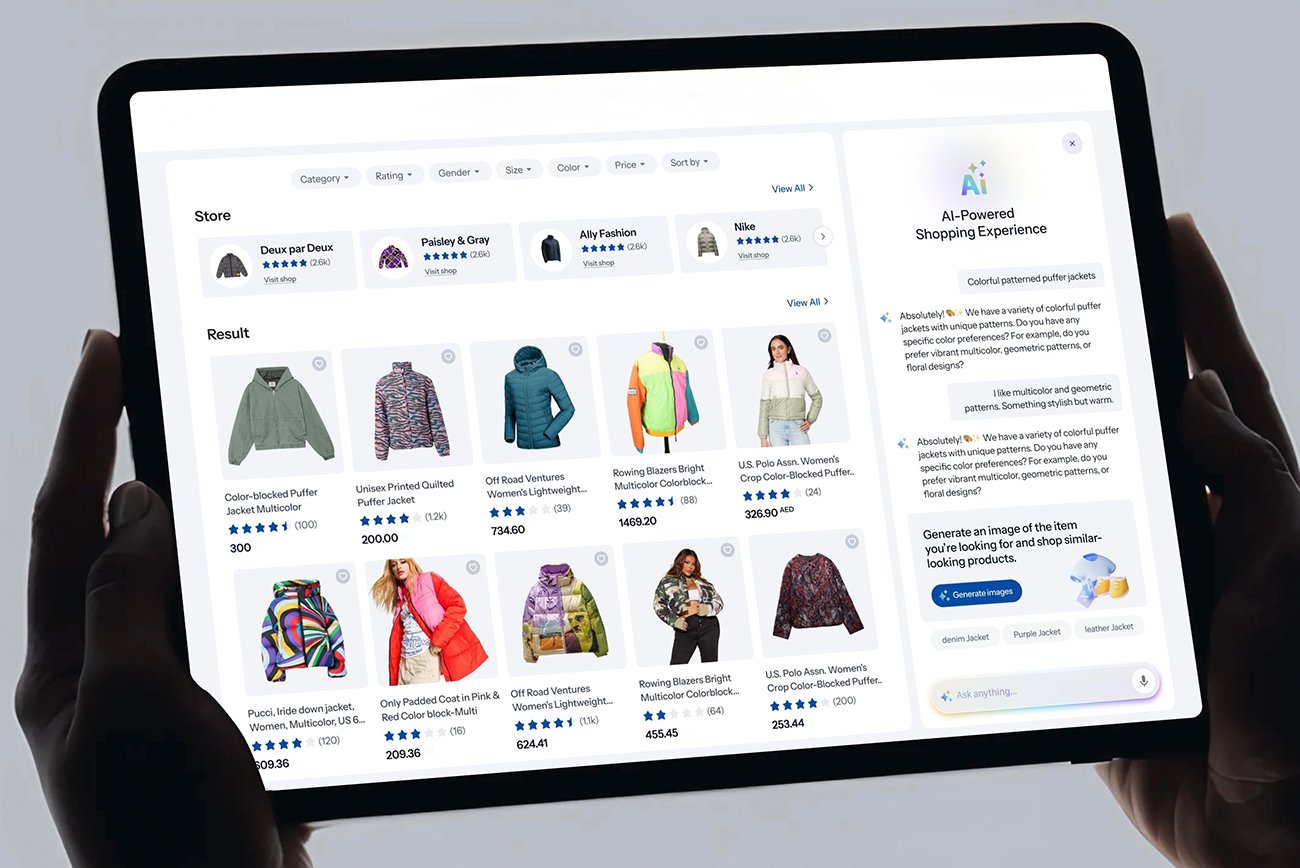
Generative AI is what most teams are using today. It creates content – text, images, video, code – based on a prompt. You ask, it responds.
In marketing, Generative AI has already proven its value:
- Drafting ad copy, emails, and social captions
- Generating creative variations at scale
- Accelerating research, ideation, and content production
Generative AI is best thought of as a high-powered assistant. It’s fast, flexible, and creative, but it still depends on human direction. Every action starts with a prompt. Every output requires review, refinement, and deployment by a person.
This makes Generative AI incredibly useful, but inherently reactive.
Agentic AI: From Assistant to Operator
Agentic AI represents the next shift. Instead of waiting for instructions, agentic systems are designed to set goals, plan actions, make decisions, and execute tasks autonomously, often across multiple tools and workflows.
In simple terms:
- Generative AI creates.
- Agentic AI acts.
An agentic system doesn’t just write ad copy, it can test it, monitor performance, reallocate budget, and iterate based on results. It doesn’t just analyze data, it decides what to do next.
This is where AI begins to resemble a digital operator rather than a creative partner.
Why the Difference Matters for Marketing
The jump from generative to agentic AI mirrors a broader shift in marketing, from execution-heavy teams to strategy-led systems.
With Generative AI, teams move faster. With Agentic AI, teams move smarter.
Here’s how that plays out in practice:
- Campaign optimization: Instead of manually reviewing performance and adjusting weekly, agentic systems can optimize in near-real-time.
- Personalization at scale: Agentic AI can adapt messaging dynamically based on user behavior rather than segments.
- Operational efficiency: Routine decisions, bidding, scheduling, and testing can be handled autonomously, freeing teams to focus on strategy and creativity.
- Always-on learning: Agentic systems continuously improve based on outcomes, not static rules.
The result isn’t fewer marketers, it’s better ones, operating at a higher altitude.
The Tradeoffs (and Realities)
Agentic AI isn’t a plug-and-play solution – yet. It requires:
- Clean data and clear objectives
- Guardrails to ensure brand, legal, and ethical compliance
- Human oversight
The biggest risk isn’t that AI will make the wrong decision. It’s that brands deploy it without a clear strategy, expecting automation to replace thinking.
Agentic AI doesn’t eliminate the need for humans – it raises the bar for what humans are responsible for.
Where Smart Brands Are Heading
Right now, the most effective teams are blending both models:
- Generative AI to accelerate creative output
- Early agentic systems to automate optimization and decision-making
The brands that win won’t be the ones that adopt AI the fastest, but the ones that integrate it most thoughtfully into their growth engine.
The future of marketing isn’t about choosing between Generative AI and Agentic AI. It’s about understanding when to create, when to automate, and when to lead.
Final Takeaway
Generative AI changed how work gets done. Agentic AI will change who, or what, does the work. For marketers, this shift represents a massive opportunity: fewer bottlenecks, smarter systems, and more time spent on strategy, storytelling, and brand building. AI isn’t replacing marketing. It’s redefining what great marketing looks like.