AI: The Next Era of CPG Product Discovery Is Here
Shoppers are asking ChatGPT and Google AI Overviews what to buy. How CPG brands show up in the answer.

Consumer discovery is changing, and brands need to be visible wherever customers search.
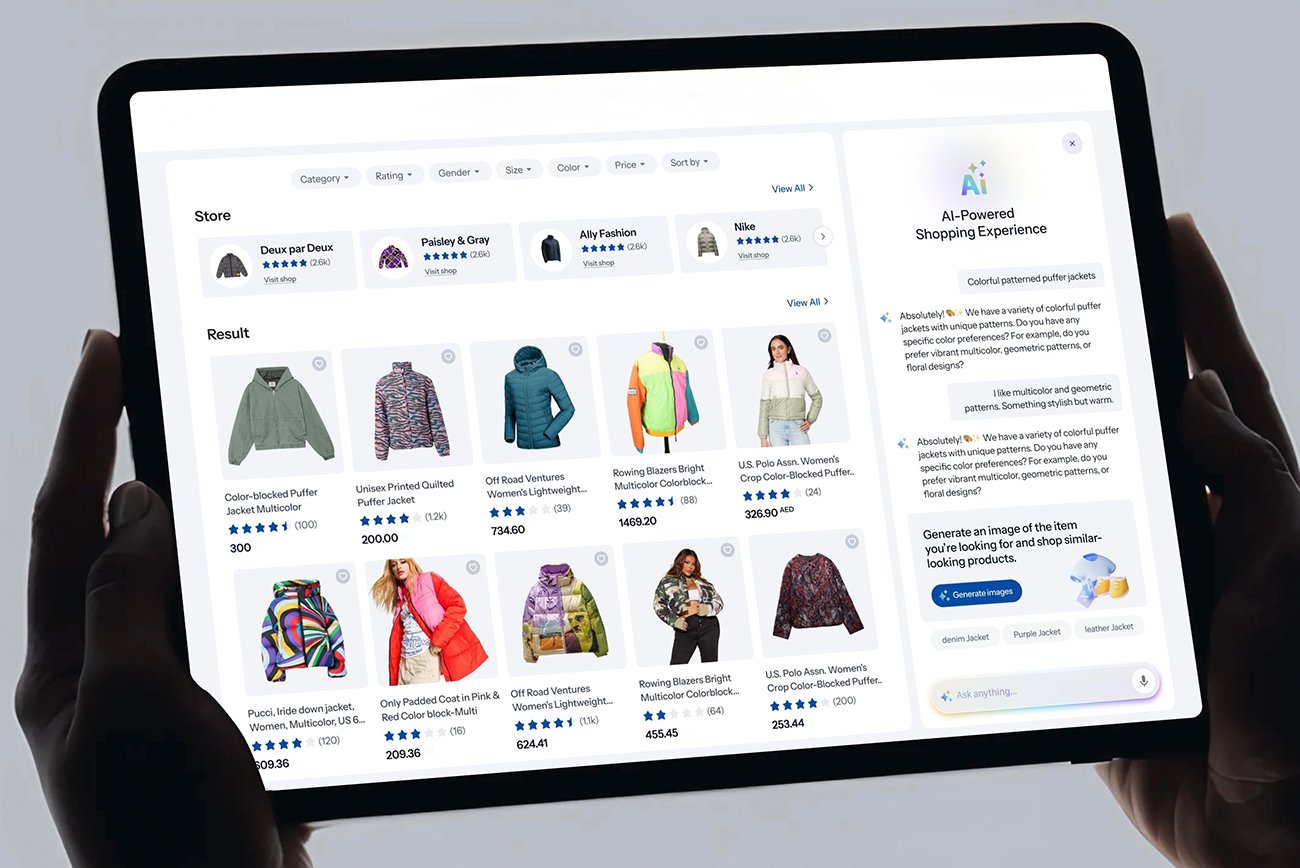
For years, consumers discovered products through Google, social media, retailer websites, and the physical shelf. Today, they are increasingly turning to AI-powered platforms like ChatGPT and Google AI Overviews for recommendations before they ever visit a brand or retailer website.
A consumer might ask for the best protein bar for hiking, a healthier soda alternative, a clean-ingredient snack for their children, or a convenient meal that meets specific dietary needs. Instead of scrolling through pages of search results, they receive a direct answer shaped by information gathered from across the web.
For CPG brands, visibility is no longer limited to retail shelves or traditional search results. Product discovery is expanding into conversational AI, creating a new opportunity and a new requirement for brands to become part of the answer.
From Search Results to AI Recommendations
Traditional search gives consumers a list of possible sources. Conversational AI goes a step further by interpreting the question, comparing available information, and presenting a recommendation.
This changes the role of digital visibility.
CPG brands still need to perform well across Google, social media, retailer platforms, and eCommerce. But they must also consider whether AI-powered platforms can find, understand, and confidently recommend their products.
A brand may rank for a general category term but still be absent when a consumer asks a more specific question, such as:
What is the best high-protein snack with clean ingredients?
Which sparkling beverage has less sugar?
What is a good gluten-free snack for school lunches?
Which natural products are best for post-workout recovery?
These conversational searches often reveal more about a consumer’s needs, preferences, and purchase intent than a traditional keyword. Brands that appear in the response can influence the buying decision before the shopper reaches a website or retail shelf.
Building a Brand AI Can Understand
Appearing in AI-generated answers requires more than adding a few keywords to a website.
AI platforms evaluate signals across a brand’s digital footprint to understand what the product is, who it is for, how it differs, and whether the available information is credible.
Clear product descriptions, detailed ingredient and nutritional information, structured data, educational content, customer reviews, retailer listings, earned media, expert references, and consistent brand messaging can all strengthen those signals.
For CPG brands, this means clearly communicating:
- What the product is
- What consumer need it addresses
- Which ingredients or functional benefits make it different
- Which dietary preferences or restrictions it supports
- When and how the product should be used
- Where consumers can purchase it
- Why shoppers and third parties trust it
If that information is incomplete, inconsistent, or difficult to find, AI platforms may struggle to understand the product, or may recommend a competitor with a stronger digital presence.
AIO Builds on the Foundation of SEO
Search engine optimization remains essential, but the next era of discovery also requires AI optimization, or AIO.
SEO helps brands improve their visibility within traditional search results. AIO expands that effort by making a brand’s information easier for AI platforms to interpret, validate, cite, and recommend.
The two strategies should work together. Both depend on technically sound websites, clear content, structured product information, credible third-party signals, and a strong understanding of what consumers are searching for.
The difference is that AIO must account for more conversational and contextual questions. Consumers don't always search for a brand or category by name. They describe a problem, occasion, preference, or lifestyle need and ask AI to identify the right solution.
That makes useful, authoritative content increasingly important. Product comparisons, ingredient explanations, recipes, use cases, FAQs, buying guides, and expert perspectives can show where a product fits in a consumer’s life.
Your Entire Digital Footprint Matters
AI-powered discovery is influenced by more than a brand’s website.
Retailer product pages, marketplace listings, customer reviews, social content, creator partnerships, editorial coverage, public relations, and third-party recommendations all contribute to how a product is understood online.
For CPG brands, consistency across these touchpoints is critical. Product descriptions, benefits, ingredients, claims, imagery, and positioning should reinforce the same core story wherever the brand appears.
This does not mean repeating identical content across every channel. Each platform should be optimized for its specific audience and format. But every expression should make it clear what the product offers, why it matters, and what makes it different.
A connected digital footprint helps consumers recognize and trust the brand. It also gives search engines and AI platforms stronger, more consistent information to draw from.
The New Digital Shelf
CPG brands have always competed for visibility. First, that meant earning placement on the physical shelf. Then it meant winning the digital shelf across retailer websites, marketplaces, and search engines.
Conversational AI is becoming the next extension of that shelf.
When consumers ask AI what to buy, the platform’s response can shape which products they research, compare, and ultimately purchase. Brands that wait until this behavior is fully established may find themselves trying to recover visibility competitors have already earned.
The opportunity is to begin building for AI discovery now by strengthening product information, creating helpful content, improving technical structure, earning credible third-party coverage, and connecting every part of the digital ecosystem.
Become Part of the Answer
Consumer discovery will continue to move across search engines, social platforms, retailer websites, creators, reviews, and AI-powered conversations. Brands cannot afford to optimize for only one point in that journey.
At Cuker, we help CPG brands build the strategy, content, credibility, and digital infrastructure needed to increase visibility across traditional search and emerging AI platforms. By connecting SEO, AIO, eCommerce, content, PR, social media, and retailer presence, we help brands become easier to discover, understand, and recommend.
The next generation of category leaders will not simply be the brands with the best shelf placement or highest search ranking.
They will be the brands that show up wherever consumers look for answers.