Growing Your Online Sales With Retailers + Marketplaces
Online retailers and marketplaces can expand your reach, but real growth comes from a connected commerce strategy, not just more listings.

Expanding into online retailers and marketplaces gives brands access to new audiences, greater visibility, and more opportunities to convert discovery into sales. But simply listing products across more platforms isn’t enough. Sustainable growth comes from building a connected digital commerce strategy that makes every channel work harder.
A strong direct-to-consumer website remains essential. It gives brands control over their story, customer experience, and first-party relationships. But even the best eCommerce site cannot capture every potential customer.
Meet Consumers Where They Already Shop
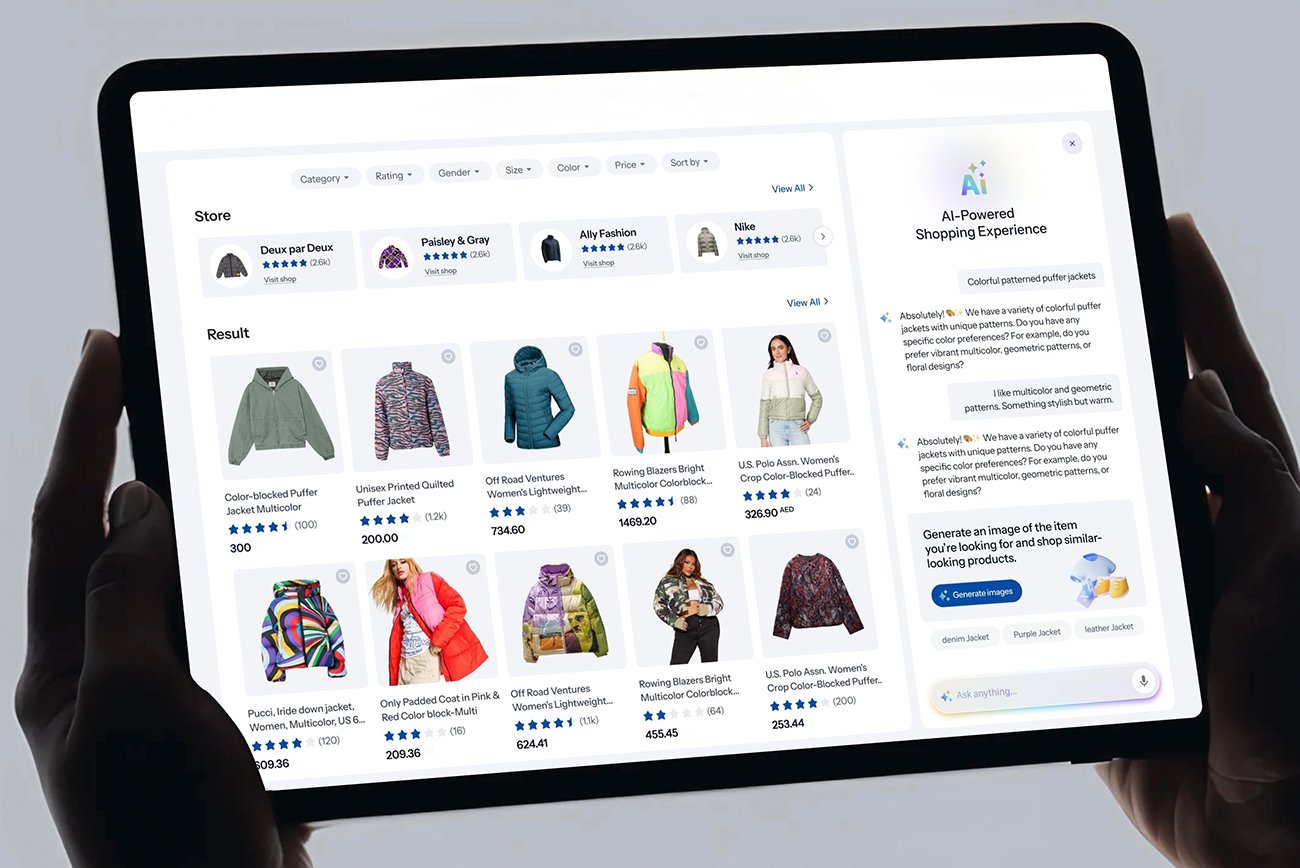
Retailer websites and online marketplaces let brands meet consumers where they already search, compare, and buy. These platforms offer established traffic, consumer trust, and convenient fulfillment, helping brands extend their reach beyond owned channels.
The goal is not to replace DTC. It is to create a broader commerce ecosystem in which a brand’s website, retailer partners, and marketplaces complement one another. When each channel has a clear role, brands can increase availability without weakening their identity or competing against themselves.
Win the Digital Shelf
Expanding distribution creates opportunity, but visibility is what turns that opportunity into growth. On crowded retailer sites and marketplaces, brands must earn attention quickly.
Product titles, descriptions, imagery, videos, attributes, reviews, pricing, and availability all shape whether a consumer discovers a product and feels confident purchasing it. Every product detail page should clearly communicate what makes the product different while giving shoppers the information they need to decide.
This requires more than copying content from a brand website and pasting it into every retailer platform. Each channel has different requirements, algorithms, audiences, and shopping behaviors. The strongest brands optimize their presence for each platform while maintaining a consistent story across the entire digital shelf.
High-Quality Product Content Converts
Online, consumers can’t hold or experience your product. This is a challenge and an opportunity. By creating high-quality content, you can control the product discovery experience. You can emphasize your product’s unique selling points, innovative features, and how it’s solving a specific problem for your customers.
Within Retail eCommerce experiences, consumers are comparison shopping. They are looking at your photos, videos, text content, reviews, and price. Investing in high-quality content can help you win with the consumer by beating your competition’s content. Also, pay close attention to the unique content guidelines and recommendations for each retail platform to ensure your content is optimized.
Turn Retail Media Into a Growth Engine
Retail media helps brands increase visibility at the point of purchase. Sponsored search placements, display advertising, retailer email, and other media opportunities can put products in front of high-intent shoppers when they are actively considering what to buy.
The most effective programs connect media investment to larger business goals. Rather than treating each retailer campaign as an isolated tactic, brands should align retail media with product launches, promotions, seasonal moments, and broader brand-building efforts.
Strong creative is equally important. Retail media may be performance-driven, but it still needs to communicate a compelling reason to choose the brand. When strategy, creative, and commerce work together, retailer platforms become more than distribution channels - they become powerful engines for discovery and demand.
Create a Consistent Omnichannel Experience
Consumers may move between several touchpoints before completing a purchase, but they still expect to encounter one recognizable brand. Inconsistent imagery, messaging, pricing, or product information can create confusion and erode trust.
A unified approach ensures that every interaction reinforces the same positioning and value. The experience should feel connected whether someone encounters the brand through an Instagram ad, a retailer search result, an Amazon product page, or the brand’s own website.
Consistency does not mean every channel should look identical. It means each expression should feel unmistakably connected to the same brand while being tailored to the context in which consumers experience it.
Use Channel Insights to Guide Growth
Retailers and marketplaces can reveal valuable information about how consumers search, shop, and respond to products. Search behavior, conversion patterns, product performance, reviews, and regional demand can help brands identify opportunities that may not be visible through DTC data alone.
The key is looking across channels rather than evaluating them in silos. A connected view of performance helps brands understand where growth is coming from, which products are gaining momentum, and where additional investment can have the greatest impact.
These insights can inform everything from merchandising and media allocation to product development and retail expansion. Over time, the digital footprint becomes more than a sales network - it becomes a source of intelligence for the entire business.
Build a Digital Footprint Designed to Scale
Online retailers and marketplaces offer enormous potential, but growth requires more than presence. Brands need a clear strategy for where to sell, how to show up, and how each channel supports the larger customer journey.
Cuker helps brands connect eCommerce strategy, marketplace growth, retailer marketing, creative, and media into one integrated approach. By strengthening every stage of the digital shopping experience, we help brands expand their footprint, reach more consumers, and turn increased availability into sustainable sales growth.
The brands that win online will not simply be listed in more places. They will create a connected commerce experience that makes them easier to discover, choose, and buy.