The Future of Marketplaces
Winning brands don't wait for a buyer's yes, they use marketplaces to prove demand first.
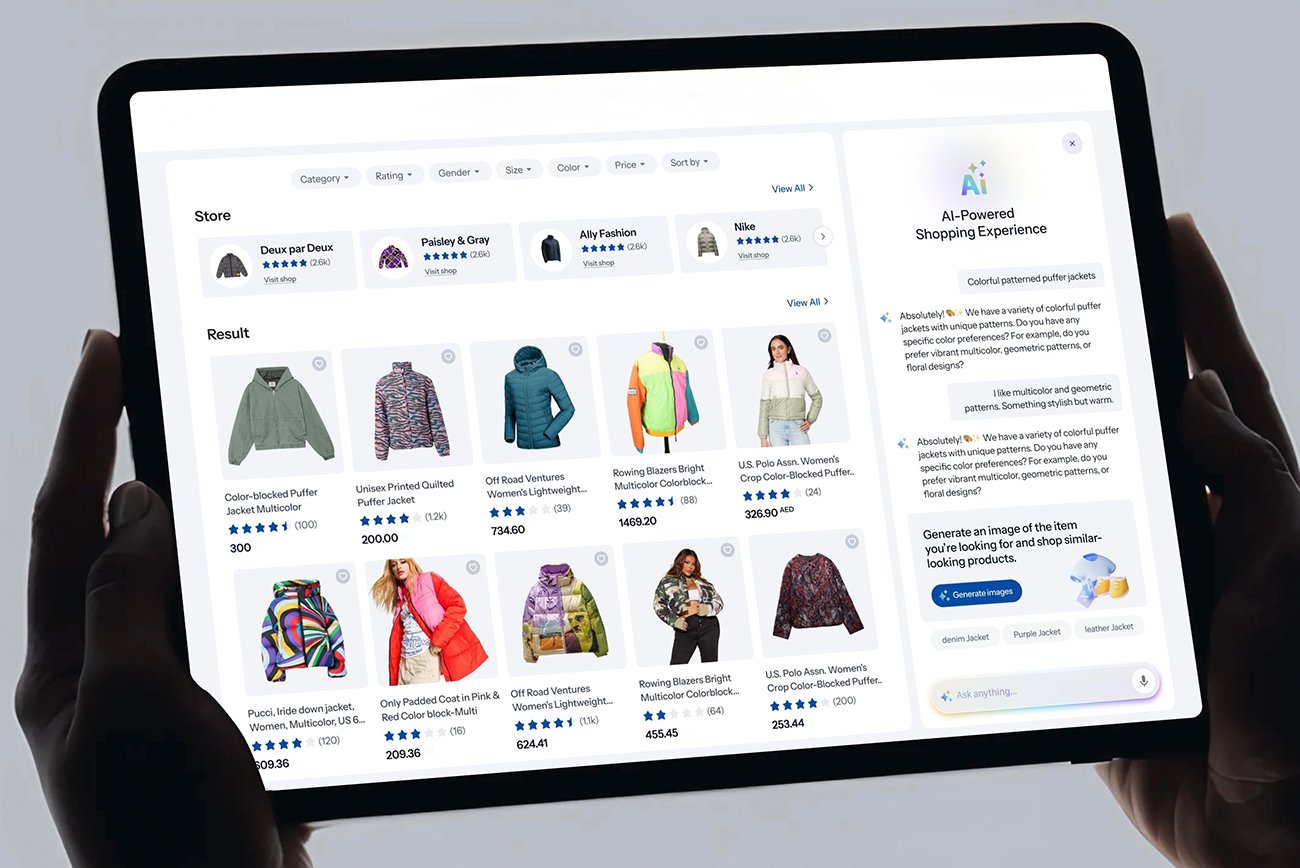
For emerging brands, one of the greatest challenges is reaching consumers before securing placement at a major retailer.
Online marketplaces are creating a new path.
Retailers including Nordstrom, Macy’s, Bloomingdale’s, and Target are using marketplaces to expand their assortments, introduce customers to emerging products, and identify brands with the potential to succeed across the broader business.
For an up-and-coming brand, a marketplace can be more than another sales channel. It can create visibility, provide valuable performance data, and establish a relationship with a retailer before the product reaches the physical floor.
Following the recent Acenda Summit, one message was clear: marketplaces are becoming an increasingly important engine for product discovery, retail growth, and brand expansion.
Marketplaces Create a New Path Into Retail
The traditional path into a national retailer can be difficult for an emerging brand.
A category buyer must evaluate the product, determine where it fits within the assortment, commit inventory, allocate space, and take on the risk of introducing something customers may not know yet.
A third-party marketplace changes that equation.
Retailers can add products online without immediately placing inventory in stores. Brands gain access to the retailer’s audience, credibility, and digital ecosystem. Both sides can then evaluate real customer behavior before making a larger commitment.
Sales, conversion, reviews, returns, advertising performance, and customer engagement can show demand. A brand that performs well online may create a stronger case for expanded distribution and eventual placement on the retail floor.
The marketplace becomes both a sales channel and a proving ground.
Retailers Want to Support Product Discovery
Marketplaces allow retailers to broaden their assortments beyond what can fit inside a physical store.
At the Acenda Summit, Nordstrom, Macy’s, and Bloomingdale’s emphasized their interest in finding emerging premium brands that will resonate with their customers. These retailers are looking for products that add value to the assortment and give shoppers more opportunities to discover new items.
Nordstrom described its marketplace as one of the fastest-growing areas of its business and expressed an interest in helping participating brands succeed within the platform.
Macy’s and Bloomingdale’s are pursuing a similar opportunity. Bloomingdale’s describes its assortment as a mix of premium designers, emerging contemporary labels, and established private brands, reflecting the importance of discovery to its customer experience.
Retailer marketing can amplify that opportunity. Sponsored placements, search visibility, product recommendations, promotions, and other media products help brands reach consumers already shopping in a trusted environment.
For emerging brands, this creates access to an audience that may have been difficult or expensive to reach independently.
Target Is Using Curation as a Growth Strategy
Not every marketplace is designed to offer the largest possible assortment.
Target Plus follows a curated, invite-only model. That exclusivity is not necessarily a limitation to growth. It is part of the retailer’s strategy for protecting relevance, quality, and trust.
At the Acenda Summit, Target emphasized its focus on supporting busy families while balancing established category leaders with emerging, trend-driven brands. The objective is to give shoppers reliable options while preserving opportunities for product discovery.
Key areas of focus include beauty, wellness, food-forward products, and baby and children’s categories. Across those areas, style and value remain important considerations.
For brands, succeeding in a curated marketplace requires more than listing a product. The brand must demonstrate that it understands the retailer’s customer, fills a meaningful gap in the assortment, and can deliver a dependable experience.
Retailers are not simply evaluating whether a product can sell. They are evaluating whether it belongs within the experience they are building for their customers.
Marketplace Success Requires Marketing
Being accepted into a marketplace does not automatically create demand.
Brands are entering large digital environments filled with established competitors, emerging products, paid placements, promotions, and algorithmic recommendations. Visibility must still be earned.
A strong marketplace strategy includes optimized product titles and descriptions, premium imagery, accurate product data, competitive pricing, reviews, inventory readiness, and responsive fulfillment.
It also requires marketing.
Retail media can increase visibility within the platform. Social media, creators, public relations, search, and brand advertising can generate external demand that directs shoppers to the retailer. Promotions can accelerate trial, while reviews help establish credibility.
The strongest brands connect marketplace activity to their broader marketing ecosystem. A consumer may discover the product through a creator, research it on the brand website, encounter it again through retailer media, and complete the purchase through a marketplace.
Every channel contributes to the decision.
Technology Is Making Marketplaces More Accessible
Managing marketplace growth has traditionally created significant operational complexity.
Each retailer may have different requirements for product data, imagery, inventory, fulfillment, pricing, reviews, advertising, and performance reporting. Expanding across several marketplaces can quickly strain a growing brand’s internal resources.
Marketplace technology is helping reduce that friction.
Acenda announced new capabilities focused on review syndication, conversational AI for performance analysis, and marketplace advertising. These tools can help brands create more consistent product experiences, understand performance faster, and increase visibility within retailer platforms.
Review syndication is particularly valuable because brands shouldn't have to rebuild credibility from scratch in every new channel. Connecting relevant reviews across approved retail destinations can give shoppers greater confidence and help emerging products compete against more established alternatives.
Conversational AI can also make marketplace data more accessible. Instead of sorting through disconnected dashboards, teams can ask questions about sales, conversion, advertising, inventory, and product performance and receive faster insights.
As these capabilities improve, brands will manage more marketplace relationships with greater consistency and efficiency.
AI Will Change How Products Are Discovered
AI-powered shopping will also shape the future of marketplaces.
Consumers are increasingly asking conversational platforms to compare products, evaluate options, and make recommendations. Google has announced shopping integrations within Gemini through partnerships with retailers and commerce platforms including Walmart, Shopify, and Wayfair.
This creates a new layer of product discovery between the consumer and the marketplace.
Product information must be structured, accurate, consistent, and detailed enough for AI platforms to understand what the product is, who it is for, and why it should be recommended.
Reviews, retailer listings, product specifications, availability, editorial coverage, and brand content will all contribute to that understanding.
In the future, marketplace optimization will not only be about ranking within retailer search results. It will also be about becoming part of the answers consumers receive before they ever visit the platform.
More Retailers Will Enter the Marketplace Economy
Marketplaces let retailers expand assortment faster, respond to emerging consumer interests, and test new categories without taking on the same inventory risk as traditional retail.
That makes broader adoption likely.
Retailers including Dick’s Sporting Goods, REI, and CVS have traditionally relied more heavily on first-party inventory and established seller relationships vetted through category buyers. As marketplace technology, product data systems, and AI-powered seller management improve, these and other retailers may find new opportunities in third-party commerce.
This is an inference based on the direction of retail technology, not an announcement from those companies.
The momentum is already visible across the industry. Walmart’s marketplace offered more than 700 million products from about 100,000 sellers, and marketplace sales grew 40% in the fourth quarter reported in early 2025.
Best Buy also launched an expanded U.S. marketplace that doubled the number of products available through its website and app without requiring the retailer to stock all of that additional inventory.
As more retailers see marketplaces create assortment, advertising, and customer acquisition opportunities, the model will continue to expand.
Brands Need to Prepare Now
Marketplace growth creates significant opportunity, but brands need the right foundation to capture it.
Product information must be complete and consistent. Inventory and fulfillment systems must be reliable. Pricing must remain coordinated across channels. Reviews should be actively managed. Marketing should support visibility and velocity within each retailer.
Brands also need to understand the role every marketplace plays within their growth strategy.
Some platforms may provide immediate revenue. Others may introduce the brand to a valuable new audience. A curated marketplace may strengthen credibility. Strong performance with a digital partner may eventually create an opportunity for physical retail placement.
The goal is not to join every available marketplace. The goal is to identify the platforms where the brand, product, consumer, and retailer align.
From Marketplace Brand to Retail Brand
The future of marketplaces is not only about selling more products online.
It is about creating new paths for discovery, giving emerging brands access to established retail audiences, and helping retailers identify the products consumers want next.
For brands that are not yet on the floors of major retailers, marketplaces can create an opportunity to demonstrate demand before asking a buyer to make a larger commitment.
At Cuker, we help brands connect marketplace strategy, eCommerce, retail media, digital marketing, product content, and customer acquisition around a unified approach to growth.
The brands that succeed won’t treat marketplaces as isolated sales channels. They will use them to build awareness, learn from real customer behavior, prove retail demand, and create a bridge to the next stage of growth.